
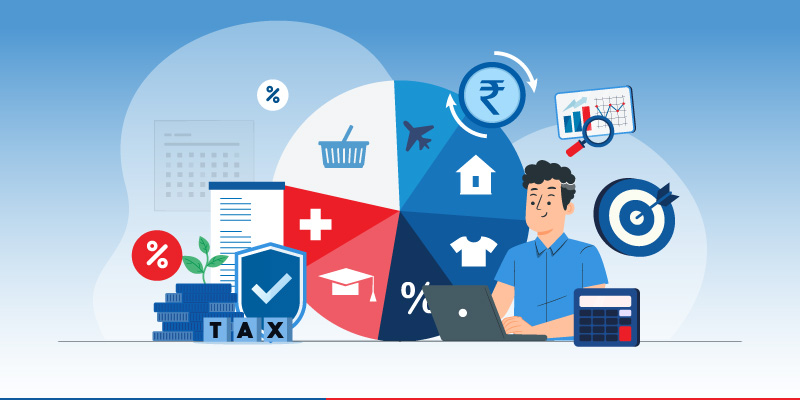

Personal finance is not about complex formulas or extreme frugality. It is about making intentional decisions with your money so it supports both your present lifestyle and future goals. With rising living costs, market volatility, and longer life expectancy, structured financial planning has become essential rather than optional.
This guide explains how personal finance planning works, why it matters, and how to create a realistic system that evolves with your life.
Understanding Personal Finance Planning
Personal finance planning is the process of organizing income, expenses, savings, investments, and risk management to achieve financial security. It focuses on aligning money decisions with life goals such as buying a home, funding education, or retiring comfortably.
A strong plan balances three core priorities:
-
Stability to handle everyday expenses and emergencies
-
Growth to increase wealth over time
-
Protection against unexpected financial shocks
Why Personal Finance Planning Matters More Than Ever
Economic uncertainty has made reactive money management risky. Without a plan, even high earners can struggle financially.
Key benefits of structured financial planning include:
-
Clear financial direction instead of guesswork
-
Reduced stress during emergencies
-
Better control over debt and spending habits
-
Improved long-term wealth accumulation
A well-designed plan turns money from a constant worry into a practical tool.
Core Components of a Strong Personal Finance Plan
Income and Cash Flow Management
Understanding how money moves in and out of your life is the foundation of financial planning. This involves tracking income sources and aligning spending with priorities.
Effective cash flow management helps you:
-
Avoid unnecessary debt
-
Identify wasteful spending
-
Free up money for savings and investments
Budgeting With Purpose
Budgeting is not about restriction. It is about intentional allocation.
A practical budget should:
-
Cover essentials comfortably
-
Allow room for enjoyment
-
Include consistent savings
Flexible budgets outperform rigid ones because they adapt to changing circumstances.
Emergency Fund Creation
An emergency fund acts as a financial shock absorber. It protects you from relying on credit during unexpected situations such as job loss or medical expenses.
A healthy emergency fund typically covers:
-
Three to six months of essential living costs
-
Easily accessible cash or low-risk accounts
Debt Management Strategy
Not all debt is equal. High-interest debt can quietly destroy long-term financial progress.
A sound debt strategy focuses on:
-
Prioritizing repayment of high-interest balances
-
Avoiding lifestyle inflation funded by credit
-
Using debt strategically, not emotionally
Saving and Investing for the Future
Savings protect short-term needs, while investments drive long-term growth.
A balanced approach includes:
-
Short-term savings for near goals
-
Long-term investments for retirement and wealth building
-
Diversification to reduce risk
Consistency matters more than perfect market timing.
Risk Management and Insurance
Financial planning is incomplete without protection. Insurance safeguards progress you have already made.
Common protection tools include:
-
Health insurance
-
Life insurance for dependents
-
Disability coverage
-
Property and liability insurance
Common Personal Finance Mistakes to Avoid
Even well-intentioned individuals can undermine their finances through avoidable habits.
Frequent mistakes include:
-
Living without a written plan
-
Ignoring inflation’s long-term impact
-
Over-reliance on credit
-
Delaying savings and investments
Awareness is often the first step toward correction.
How to Build a Personal Finance Plan That Actually Works
A practical plan does not require perfection. It requires clarity and consistency.
Start with these steps:
-
Define short-, medium-, and long-term goals
-
Track income and expenses honestly
-
Create a flexible monthly budget
-
Automate savings and investments
-
Review and adjust annually
Financial planning is a living process, not a one-time task.
The Long-Term Impact of Smart Financial Planning
Over time, disciplined planning compounds benefits. Small, consistent decisions can lead to:
-
Greater financial independence
-
More lifestyle flexibility
-
Reduced reliance on debt
-
Confidence in future security
Personal finance planning is less about predicting the future and more about being prepared for it.
Frequently Asked Questions (FAQ)
What is the ideal age to start personal finance planning?
The best time is as early as possible, but starting later is still effective with consistent action.
How often should a personal finance plan be reviewed?
At least once a year or after major life changes such as marriage, job shifts, or relocation.
Is budgeting necessary if income is high?
Yes, higher income without planning often leads to higher expenses rather than financial security.
Should savings or investments be prioritized first?
Savings for emergencies should come first, followed by long-term investments.
Can personal finance planning reduce financial stress?
Yes, clarity and preparation significantly reduce uncertainty and anxiety around money.
How much income should be saved each month?
A common guideline is 20 percent, but the ideal amount depends on goals and obligations.
Is professional financial advice always required?
Not always, but expert guidance can be valuable for complex financial situations.
Comments are closed.